Bringing the water closer to home
Crab pots and fish ponds turn fishing into a quiet daily routine on the farm. Here is how they work and how to fit them into your plans.
What crab pots are and how to get them
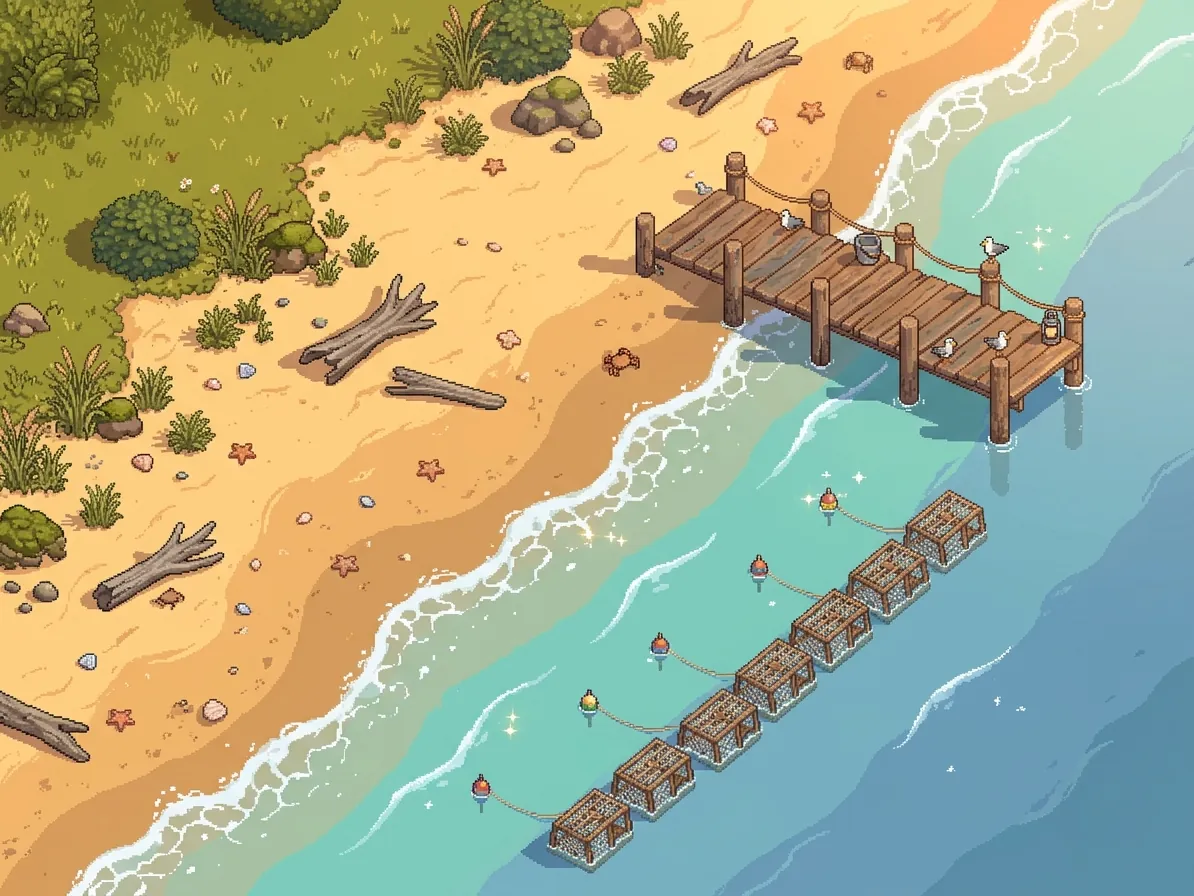
Crab pots are small traps that you place in water. Unlike rod fishing, they work on their own without the minigame. You unlock the crafting recipe at fishing level 3, and the fish shop also sells them. Once placed, a crab pot needs bait each day to catch something. You check it, collect the catch, add new bait and move on.
What you find depends on the type of water. Pots placed in the ocean tend to collect sea creatures such as crabs and shellfish, while pots in freshwater collect river and lake creatures instead. Sometimes they also pick up trash, which can be recycled once you have a recycling machine.
Placing crab pots sensibly
Location is everything with crab pots. Many players start by placing a few near the beach or along a river they already walk past each day. That way, checking them becomes part of the route rather than an extra trip.
If your farm has water, you can place pots there too, which makes upkeep very convenient. Some farm layouts include more water than others, and players who choose a water-heavy layout often build a small row of crab pots right outside their door.
Start small. A handful of pots is easy to maintain, and you can add more once you have a steady supply of bait. Crab pots also contribute a little to your fishing experience, so they quietly support your progress even on days when you do not pick up a rod.
Fish ponds: raising fish on the farm
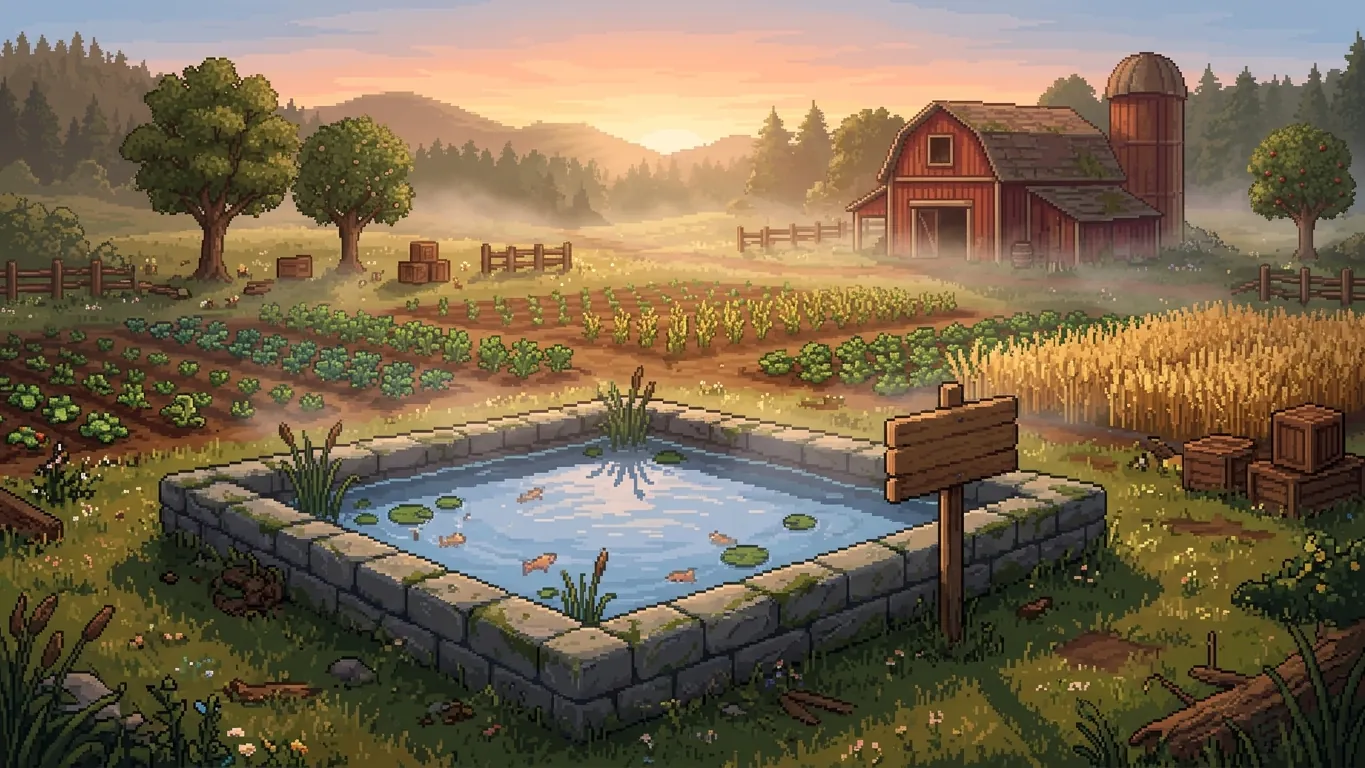
Fish ponds are buildings that the local carpenter can construct on your farm. Once built, you place a fish inside and it gradually becomes a small population. Each pond can hold fish of one species, and over time the pond produces items such as roe. Some species can produce other materials as well.
As the population grows, the fish occasionally ask for a specific item. Delivering it increases the pond's capacity, allowing more fish to live there and the pond to produce more. These requests add a gentle sense of progress, and fulfilling them often sends you back out to the valley to find something new.
Roe can be sold, used in some recipes or aged in a preserves jar into a different product, giving fish ponds a useful link with your other farm machines.
A simple daily routine for water-based farm tasks
These steps fit easily into a morning walk around the farm.
- 01
Check your fish ponds
Collect any items produced and see whether the fish have a new request.
- 02
Empty the crab pots
Visit pots along your usual route and collect the catches.
- 03
Rebait every pot
Add fresh bait so each pot keeps working through the next day.
- 04
Sort the catch
Decide what to keep for cooking or bundles, what to process and what to sell.
- 05
Note any requests
Keep in mind any items your ponds asked for and look for them on your next trip.
Choosing between rod fishing, pots and ponds
These three activities complement each other rather than compete. Rod fishing is active and rewarding, and it is the main way to catch the wide variety of fish in the game. Crab pots give a small, reliable return for very little effort. Fish ponds take more setup but turn a single catch into a long-term part of the farm.
A balanced approach might be to fish with a rod when the season or weather favours it, keep a few crab pots running on your daily path, and slowly build fish ponds for species you particularly like. That way, fishing becomes a natural part of farm life rather than a separate hobby.
Related articles
 Where the water leads you
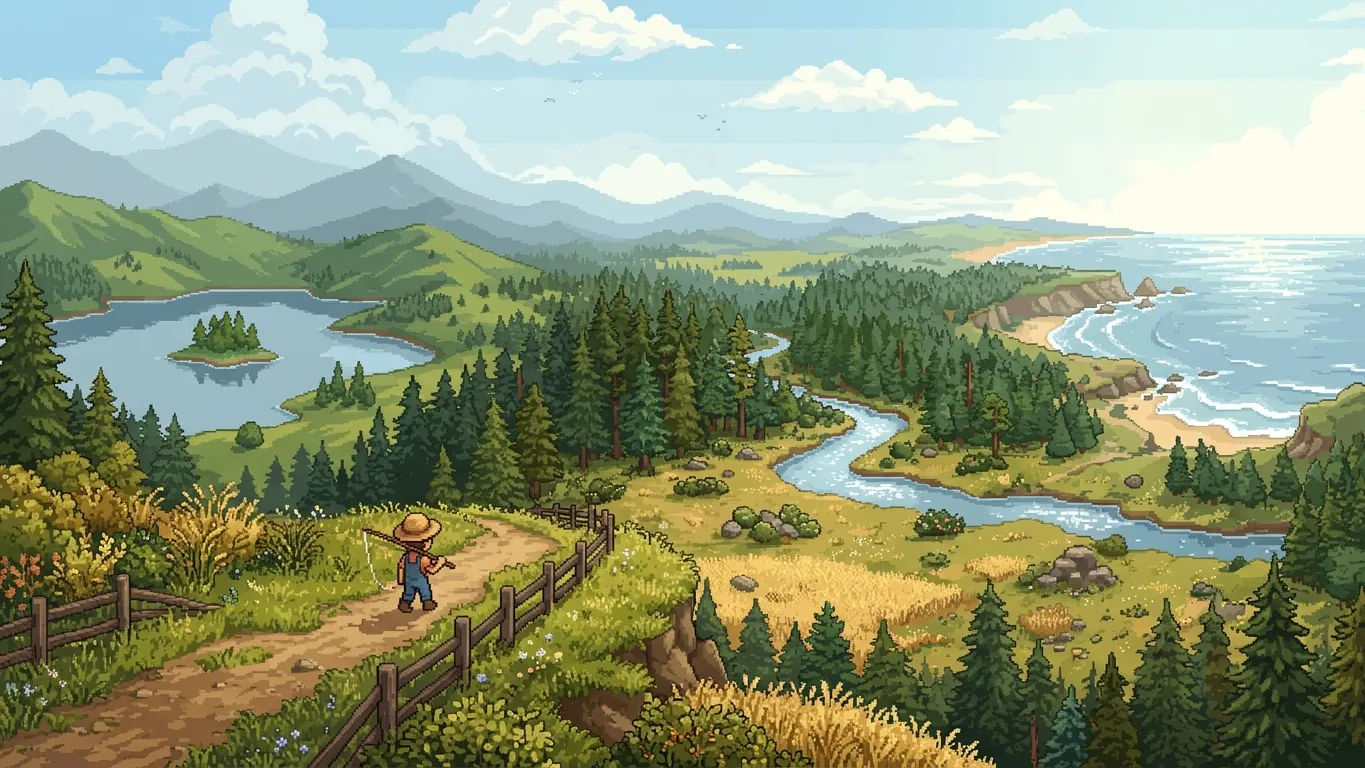
Explore the rivers, lakes, ocean and underground pools of Stardew Valley, with notes on what makes each fishing spot different and worth a visit.
Read more
 Filling the Fish Tank, one bundle at a time
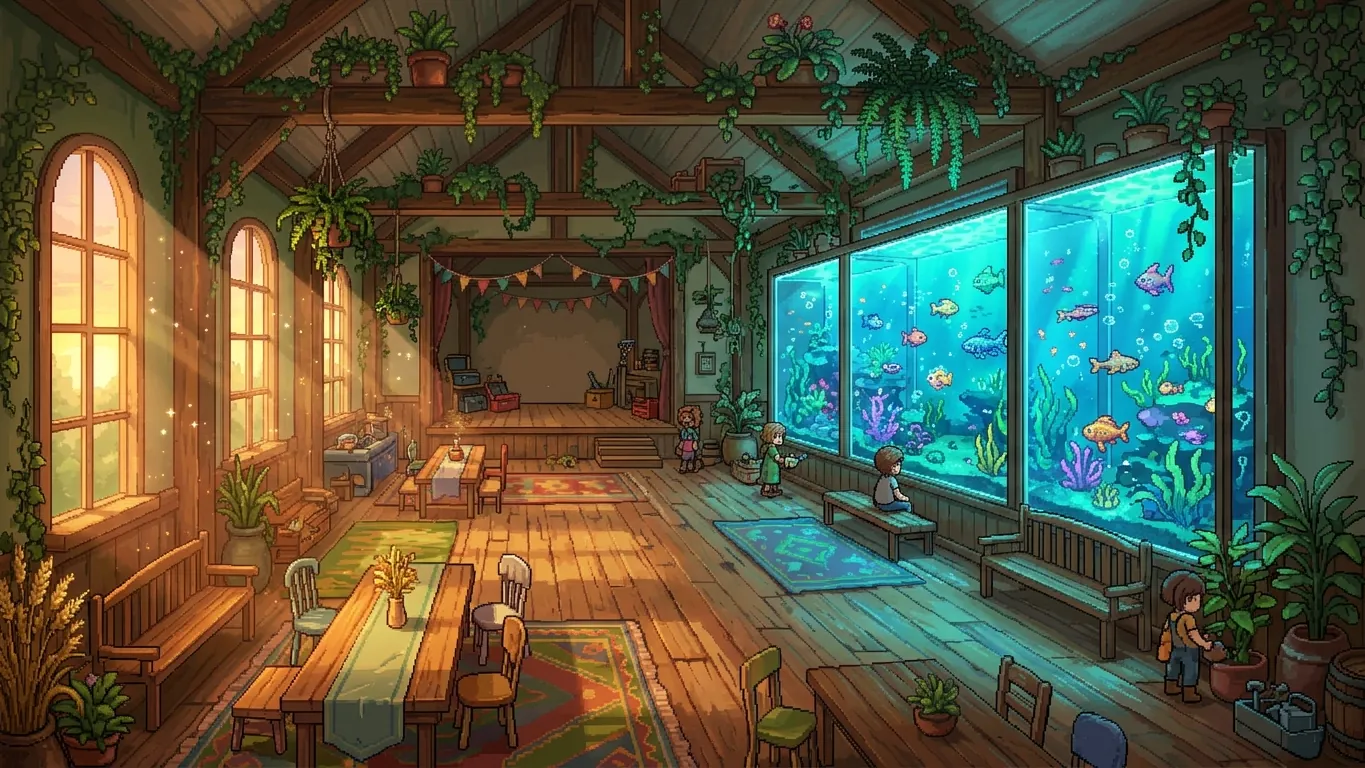
An overview of the Fish Tank bundles in the Stardew Valley Community Center and practical ways to plan your fishing around completing them.
Read more
 Making room for the river in a busy farm day
Practical tips for fitting fishing into a busy Stardew Valley day: managing energy, timing chores and planning a calm routine across the seasons.
Read more