Spinner
Helps fish bite a little faster, which pairs well with bait for quick sessions.
Fishing equipment in Stardew Valley grows with your skill. This explainer walks through rods, bait and tackle so you know what each one changes.
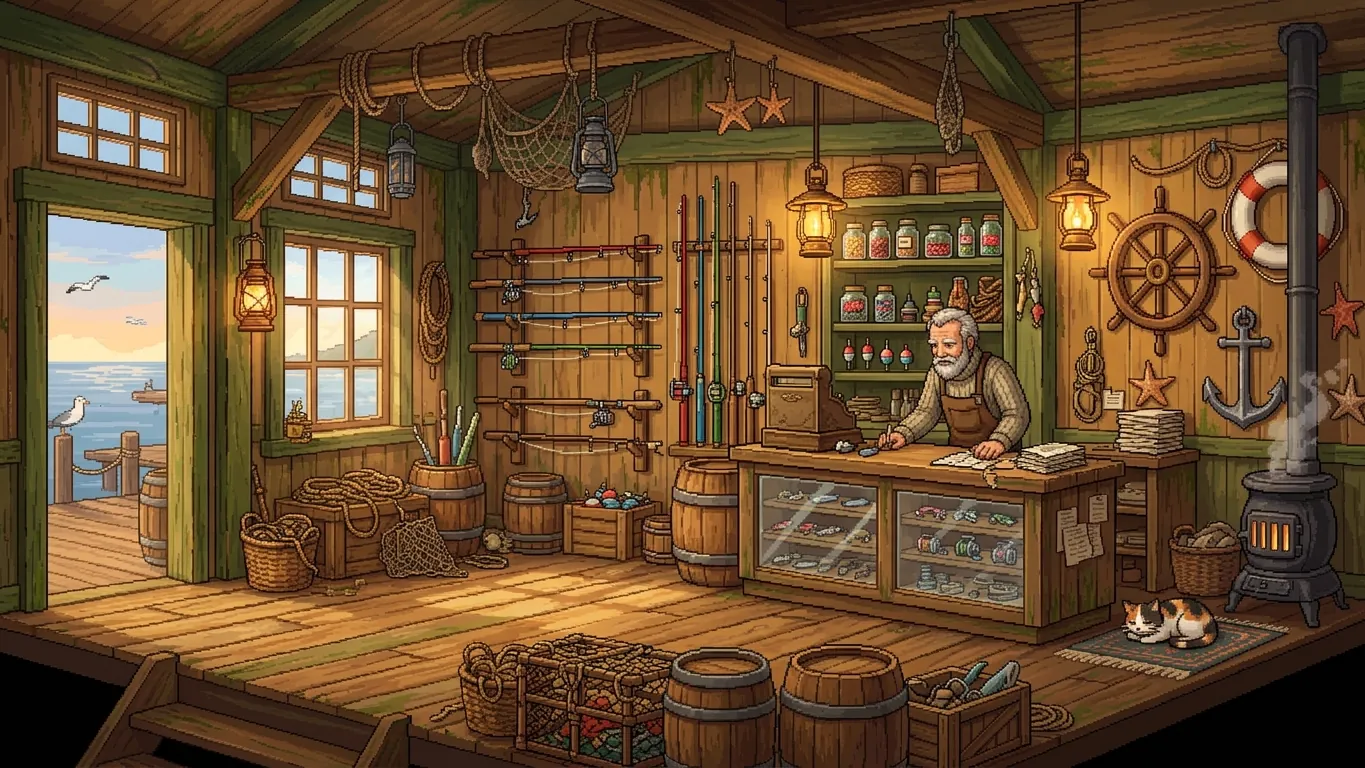
Your first rod is the bamboo pole, given to you by the fisherman at the beach early in the first spring. It cannot use bait or tackle, but it is perfectly capable of catching most common fish. It is also the rod you will learn the minigame on, so spending time with it is never wasted.
The fish shop also sells a training rod. It makes the minigame easier by giving you a more forgiving experience, but fish caught with it are limited to basic quality. Some players find it helpful for the first few days while learning, then switch back once they feel more confident.
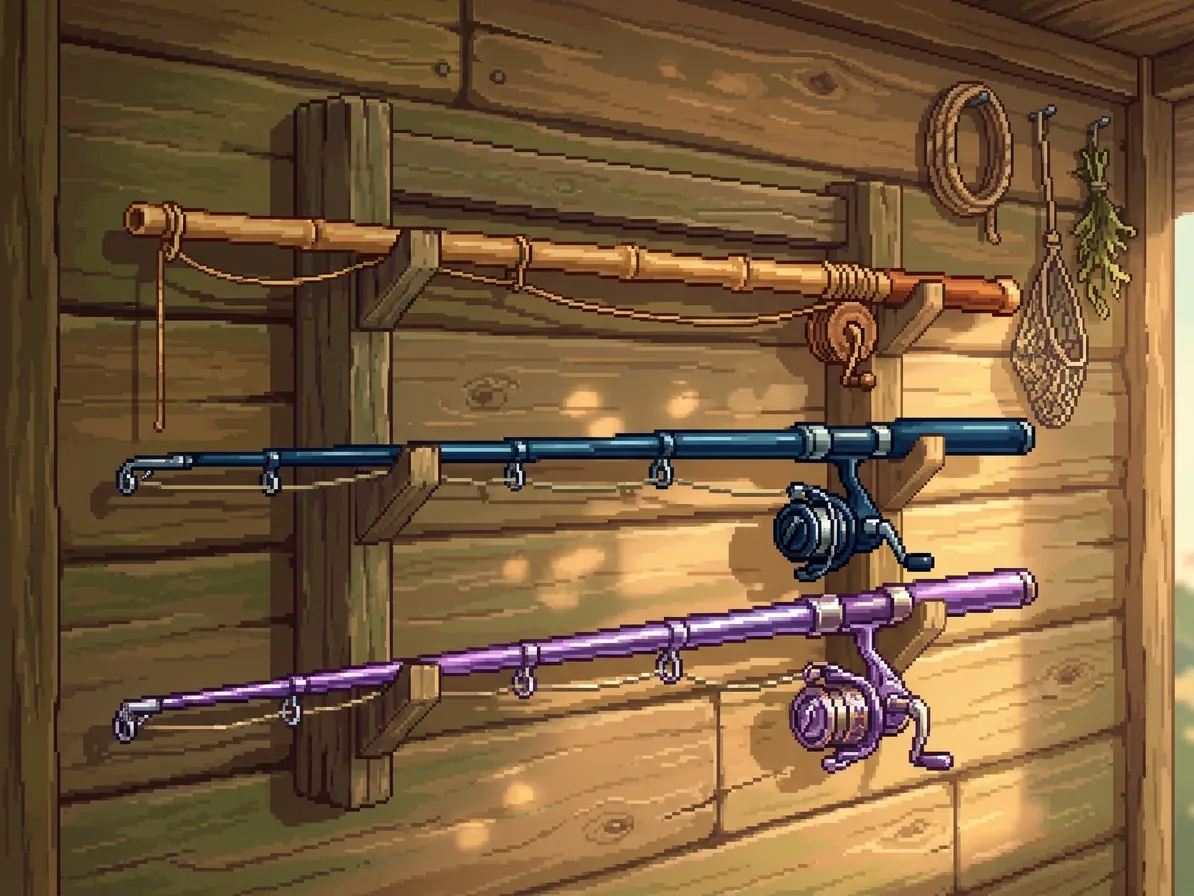
As your fishing skill increases, new rods become available to buy at the fish shop. The fiberglass rod unlocks at fishing level 2. Its main advantage is that it can hold bait, which helps fish bite sooner. This alone can make fishing sessions feel noticeably smoother.
The iridium rod becomes available at fishing level 6. It can hold both bait and one piece of tackle. Tackle adds a specific effect to the minigame, letting you shape your fishing around what you find difficult. Later in the game, further rod options can appear, but the fiberglass and iridium rods are the key steps for most players.
You do not need to rush. Your skill level grows naturally as you catch fish, and the rods unlock in step with that progress.
Bait reduces the waiting time between casting and a bite. That means more fish per in-game hour and less energy spent recasting. Basic bait can be bought at the fish shop, and once you reach fishing level 2 you can craft it yourself from bug meat, which you collect from insects in the mines.
There are also more specialised types of bait in the game, some of which can be produced on the farm later on. For most everyday fishing, though, regular bait is all you need. Keeping a stack in your rod makes casual trips more efficient without changing how the minigame plays.
Tackle attaches to the iridium rod and slowly wears out with use, so it needs replacing from time to time. These are some of the most useful early options.
Helps fish bite a little faster, which pairs well with bait for quick sessions.
Slows the catch meter draining when the fish leaves your bar, giving you more time to recover.
Makes your green bar slightly larger, which helps with fish that move unpredictably.
Stops the bar from bouncing when it hits the bottom of the panel, useful for fish that sink.
Makes treasure chests easier to collect, since the fish does not escape as quickly while you chase them.
There is no single correct setup. If you mostly fish in short bursts between farm tasks, bait and a spinner help you catch more in less time. If certain fish keep escaping, a trap bobber or cork bobber can make the minigame feel fairer. If you enjoy collecting materials, the treasure hunter adds a little extra to each trip.
It is a good idea to try different tackle and notice how it changes your experience. Since tackle wears out, you will have regular chances to switch. Over time, many players settle on a favourite combination that matches how they like to spend their days in the valley.
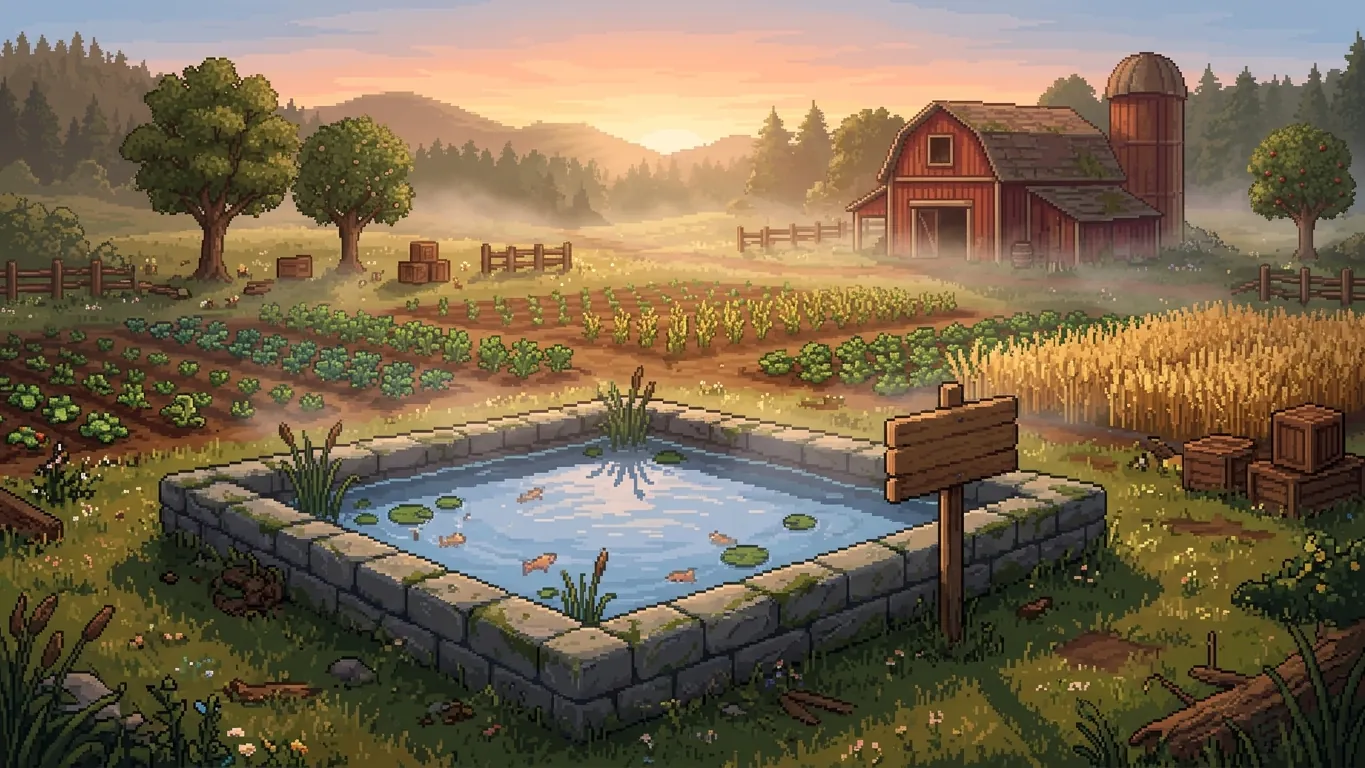 Bringing the water closer to home
How crab pots and fish ponds bring fishing into your daily farm routine in Stardew Valley, with tips on placement, upkeep and what they produce.
Read more
 Where the water leads you
Explore the rivers, lakes, ocean and underground pools of Stardew Valley, with notes on what makes each fishing spot different and worth a visit.
Read more
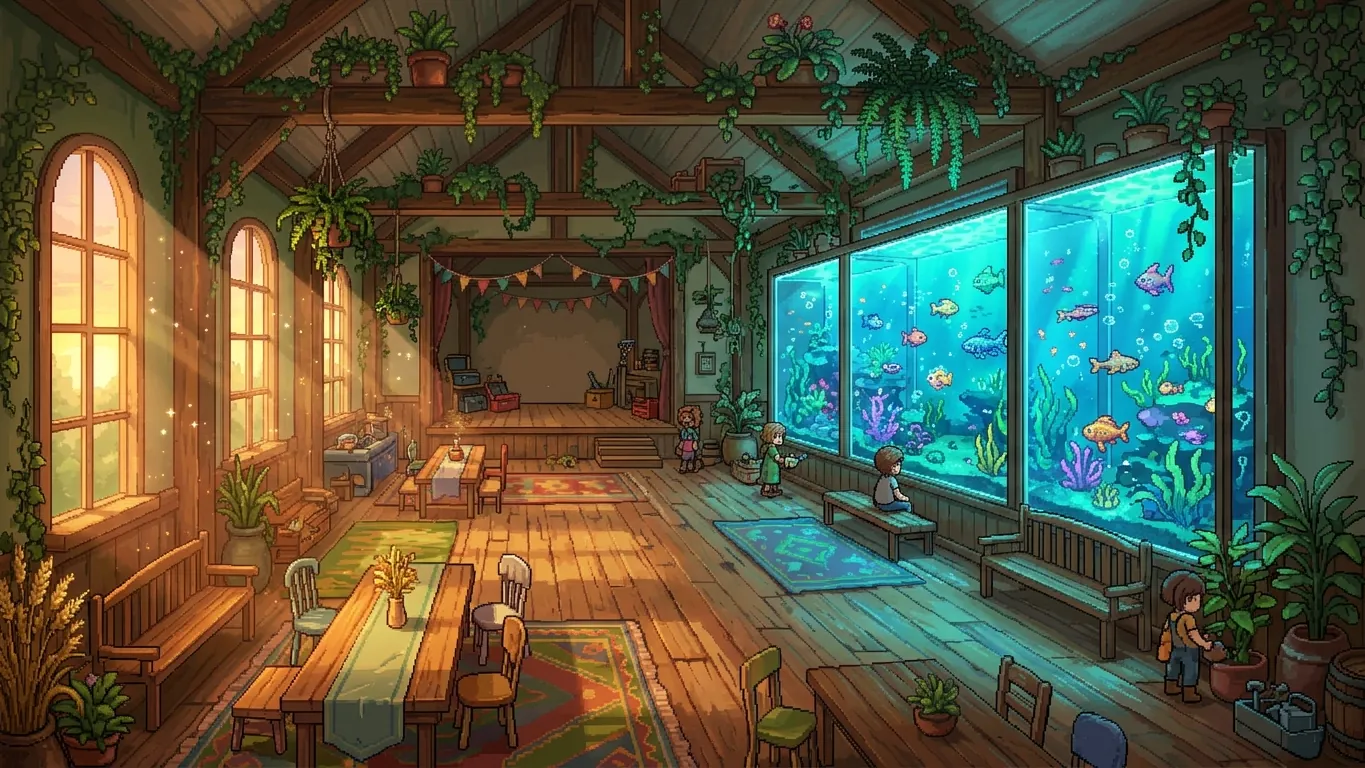 Filling the Fish Tank, one bundle at a time
An overview of the Fish Tank bundles in the Stardew Valley Community Center and practical ways to plan your fishing around completing them.
Read more